
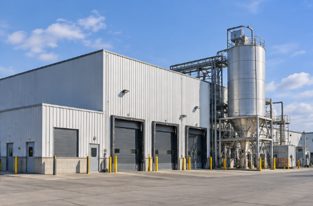
The importance of protecting drinking water from contamination is well known, yet some sources of pollution are less obvious than one might think. Did you know, for example, that a simple garden hose left submerged in a swimming pool can pose a risk of contaminating the drinking water? It is to prevent this type of situation that backflow prevention devices (BPDs) play an essential role.
What is a BPD?
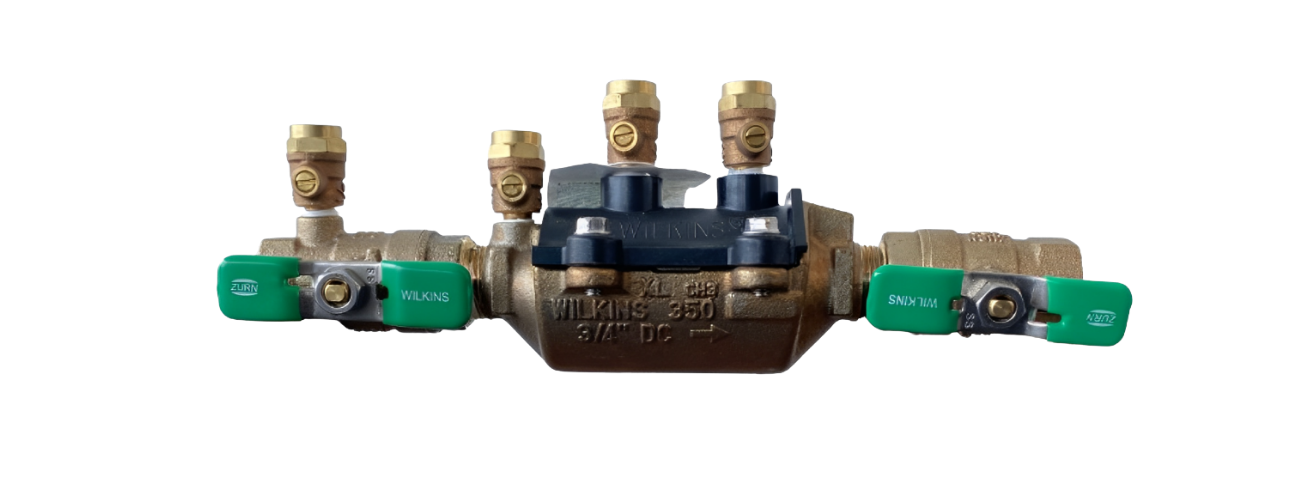
A backflow prevention device, as its name suggests, is a device designed to prevent water from flowing in the opposite direction of its normal flow, a phenomenon known as backflow. It therefore protects the drinking water system against the risks of contamination.
In which situations is a BPD necessary?
The presence of a BPD at the water entry inlet is essential. However, the need to install one depends on several factors, specifically the type of building, its level of risk, and the potential sources of pollution or contamination present.
-
Buildings covered:
- Commercial buildings
- Industrial buildings
- Institutional buildings
- Existing residential buildings*
*Building-level protection is not required for fully residential buildings with fewer than 9 dwelling units or fewer than 3 stories. However, this does not mean that a specific piece of equipment cannot require its own backflow protection.
-
Building risk level
Classification depends on the actual use of the building and the activities conducted within it. Here are some examples of buildings based on their level of risk:
-
- High risk: airports, hospitals, laboratories, car washes, research facilities, and various types of factories,
-
- Moderate risk : restaurants, hotels/motels, office buildings, water parks, swimming pools, hair salons/barbershops/beauty salons,
-
- Low risk : residential premises, rectories.
The risk level determines the appropriate backflow prevention device to be used.
-
Potential sources of pollution or contamination
Certain equipment connected to the drinking water system may pose a potential source of pollution or contamination and may require appropriate backflow protection. Here are a few examples of potential sources of contamination:
-
- Bathtubs (all types),
-
- Swimming pools (direct connection),
-
- Irrigation systems,
-
- Humidifiers,
-
- Chemical dispensers,
-
- Utility basins,
-
- Laboratory faucets,
-
- Dental cleaning equipment (veterinary type),
-
- Toilets (tank type).
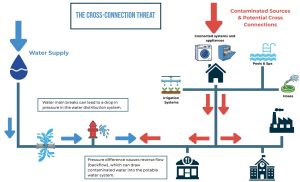
The need for a BPD therefore depends not only on the type of building, but also on the equipment and potential sources of pollution or contamination present.
These examples do not constitute an exhaustive list. For more information on building types, associated risk levels, and potential sources of pollution or contamination, consult the CSA B64.10:23 standard as well as the Guide on Backflow Preventers from the Régie du bâtiment du Québec (RBQ).
Article written by: Marly Ghattas
References
- CSA B64.10:23, Selection et installation of backflow preventers